The Best Monitor For External Laptop Of 2026
 By, Michael Brown
Updated
Summary

LG 32GS60QC-B Ultragear 32-inch Monitor

Samsung 27-Inch Odyssey G3 Monitor
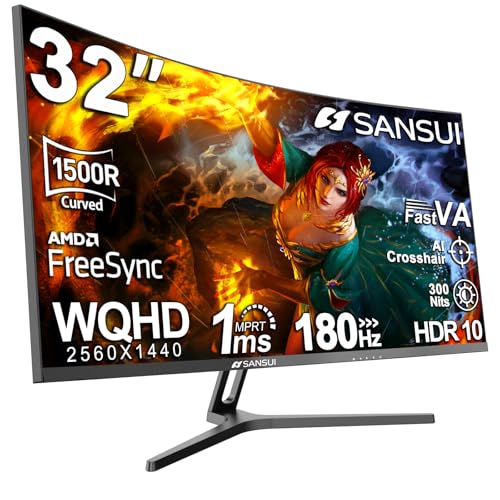
SANSUI 32-Inch Gaming Monitor
Using an external monitor with a laptop is one of the simplest ways to improve productivity. A larger screen gives you more room to work, reduces eye strain, and makes multitasking far more comfortable, whether you’re working from home, editing content, or just managing multiple windows at once.
When it comes to reliability and everyday usability, the LG 32GS60QC-B Ultragear 32-inch Monitor is a great option. Its QHD resolution and accurate colors make it especially well-suited for laptop users who want a clean, single-cable setup. That said, the best monitor for an external laptop depends on how you plan to use it. Screen size, resolution, panel type, and connection options all affect the experience. Some users prioritize color accuracy for creative work, while others focus on smooth performance for multitasking or extended office use.
This guide breaks down the best monitors for external laptops, covering different needs and budgets, so you can choose a display that complements your laptop and improves the way you work every day.
Our Top Picks


Smooth 180Hz gaming performance Immersive 1000R curved display Vibrant colors with HDR10 Clean, gamer-focused design
No USB hub or USB-C connectivity
From the moment it powers on, the LG 32GS60QC-B makes its intentions clear. The QHD resolution paired with a 32-inch screen gives games plenty of breathing room, while the steep 1000R curve wraps the image around your field of view in a way that keeps your attention locked in. Fast-paced scenes benefit greatly from the 180Hz refresh rate and 1ms GtG response time, which help keep motion clean and responsive when every second counts.
AMD FreeSync plays an important role here as well, reducing screen tearing and keeping gameplay fluid even during intense moments. Visually, the monitor leans into color and contrast, thanks to HDR10 support and up to 99 percent sRGB coverage, making environments look vibrant without appearing overprocessed. LG’s gaming GUI adds another layer of control, letting you switch between modes like FPS or RTS depending on what you are playing.
Connectivity is straightforward with dual HDMI ports and DisplayPort, and the three-side borderless design keeps the setup looking tidy. While it skips extras like a USB hub or USB-C, this simplicity keeps the focus where it matters most: fast, immersive gaming performance.

Fast 180Hz refresh rate Helpful visibility gaming tools Fully adjustable ergonomic stand Borderless, dual-monitor friendly design
HDR is not supported
The Odyssey G3 centers its experience around quick reactions. A 180Hz refresh rate combined with a 1ms MPRT response time helps reduce blur and lag, making fast movements easier to track during intense gameplay. Whether you are lining up shots or reacting to sudden action, the screen keeps up without noticeable stuttering, helped further by AMD Radeon FreeSync working quietly in the background to minimize tearing.
Samsung offers a number of gaming options that go beyond just improving performance. Black Equaliser allows you adjust dark areas, which might be helpful when enemies are hiding in dark corners. The Virtual Aim Point overlays crosshairs directly on the screen, giving precision-focused players an extra layer of control.
Physically, the three-sided borderless design creates a clean, open view, especially in dual-monitor setups. The fully adjustable stand allows for height, tilt, swivel, and pivot adjustments, so positioning the screen never feels limiting. Although it does not include HDR support, the Odyssey G3 keeps its priorities clear by focusing on speed, visibility tools, and ergonomic flexibility.
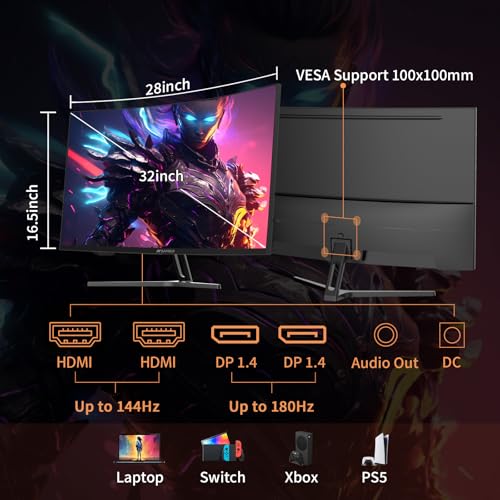
Large immersive curved display Smooth 180Hz gaming performance Rich color and HDR support Flexible mounting and connectivity
Built-in speakers are not very good
Sitting down in front of the SANSUI 32-inch monitor, the first thing that stands out is how naturally the 1500R curve wraps around your vision. The WQHD resolution feels well matched to the screen size, giving games room to breathe without sacrificing clarity. Once gameplay starts, the 180Hz refresh rate and 1ms response time quietly do their job, keeping movement fluid and responsive during fast scenes.
Colour performance makes the experience even better. The wide colour range of sRGB and DCI-P3 makes images look rich and alive, and HDR support helps make supported content look more contrasty. Long sessions are also gentler on the eyes because flicker-free technology and blue light reduction work in the background.
Practical touches round things out. The stand allows for tilt adjustments, VESA compatibility opens up mounting options, and the wide viewing angles keep the picture consistent even when viewed off-center. Connectivity is generous, with multiple HDMI and DisplayPort options included right in the box along with essential cables.
Audio, however, is clearly not the focus here. While sound output is present, most users will likely rely on headphones or external speakers to match the strong visual performance this monitor delivers.

Immersive ultrawide curved screen Smooth 165Hz gaming performance Sharp 3440 x 1440 resolution Useful split-screen multitasking
No built-in speakers
Spending time with the Z-Edge 34-inch monitor feels a bit like stepping into a wider world. The 1500R curved ultrawide screen naturally wraps around your field of vision, and the 3440 x 1440 resolution fills that space with crisp detail. In games, the extra horizontal space gives you more awareness of your surroundings, while split-screen support makes it easy to juggle apps or keep guides open without breaking focus.
Motion stays smooth thanks to the 165Hz refresh rate and quick 1ms response time, which work together to reduce blur and input lag during fast action. Flicker-free technology quietly keeps the experience comfortable, helping long sessions pass without unnecessary strain. Visual immersion is also boosted by the dynamic breathing lighting, adding a soft ambient glow that complements the on-screen action rather than distracting from it.
This monitor clearly puts visuals and performance at the center of the experience. One minor downside is that it doesn't have built-in speakers. For most gaming setups, that is easily solved with headphones or external speakers, allowing the screen to stay focused on delivering a wide, responsive, and engaging visual experience.

Sharp QHD IPS display Smooth 100Hz performance Accurate, vivid color reproduction Clean frameless design
Tilt-only stand adjustment
Day-to-day use is where the KTC 27-inch monitor quietly earns its place. The IPS panel delivers clear, consistent visuals across the screen, and the QHD resolution gives both games and work content extra sharpness. Paired with a 100Hz refresh rate, motion appears smoother than standard displays, which is noticeable when scrolling, editing, or playing games after hours. G-SYNC and FreeSync compatibility further help keep the picture steady by reducing screen tearing.
Moreover, with wide sRGB coverage, solid brightness, and a strong contrast ratio, visuals look lively without appearing exaggerated. This balance works well whether you are reviewing documents, watching videos, or enjoying casual gaming. Eye care features such as low blue light and flicker-free technology also make longer sessions more comfortable.
The frameless, ultra-thin design keeps the setup looking modern and uncluttered, while VESA support offers flexibility for different desk layouts. Connectivity remains simple but effective, with HDMI, DisplayPort, and a headphone jack covering most everyday needs. The stand keeps things straightforward, offering tilt adjustment only, but those wanting more flexibility can easily solve that with a monitor arm.

Massive immersive ultrawide screen Smooth 144Hz gaming performance Accurate, well-calibrated colors Excellent USB-C connectivity
Firmware can feel inconsistent at times
Living with the INNOCN 40C1R quickly turns your workspace into something closer to a control center. The 40-inch ultrawide panel stretches far beyond a standard monitor, offering noticeably more screen real estate than smaller ultrawide displays. Games benefit from the expanded view, while work tasks like editing, data analysis, or multitasking feel more organized thanks to the extra horizontal space and built-in split screen options.
Performance keeps pace with the size. A 144Hz refresh rate over DisplayPort delivers smooth motion, while AMD FreeSync Premium helps maintain fluid visuals during fast scenes. HDR 400 support, high brightness, and wide DCI-P3 color coverage add depth and contrast, making both games and media more engaging. Color accuracy is taken seriously as well, with factory calibration and a low Delta E rating that suits creative work.
Connectivity is one of this monitor’s strongest chapters. USB-C, HDMI, DisplayPort, and audio output make it easy to switch between laptops, consoles, and other devices without juggling cables. That said, on the software side, occasional firmware quirks may appear, but they are typically minor and do not overshadow the overall experience this feature-rich display delivers.

Mac-optimized color accuracy Simple one-cable USB-C setup Native Mac keyboard controls Fully adjustable ergonomic stand
Higher price than many alternatives
The BenQ MA320U is clearly written with Mac users in mind. A single USB-C cable can provide power and display output, rapidly turning a laptop setup into a large 32-inch 4K workspace. When you connect, the colour display feels meticulously tuned, and the P3 broad colour support is specifically calibrated for MacBook screens, which helps keep things the same across devices.
One thoughtful detail is how the monitor integrates with macOS controls. Brightness and volume adjustments can be made directly from the MacBook keyboard, which keeps the experience feeling native rather than layered with extra menus or buttons. Connectivity also supports modern workflows well, with dual USB-C ports supplying ample power for a MacBook while still leaving room to charge an iPad or iPhone, alongside two HDMI ports for additional devices.
Plus, its adjustable stand allows you to fine-tune height, tilt, swivel, and pivot, making it easy to settle into a comfortable viewing position. The main hesitation comes down to cost. It sits at a higher price point, but for Mac users who value seamless integration, accurate color, and clean cable management, that premium reflects a very focused design approach.
What Tips Are Recommended To Recognize Which Of best monitor for external laptop Will Satisfy You Most?
Some people are apprehensive about purchasing best monitor for external laptop. Numerous factors must be addressed while making a significant purchase. Our market expertise will help you make the best decision as soon as possible.
The thing has been added to the list of products that have been subjected to technical testing and evaluation. Please keep the following points in mind:
Refresh Rate
Resolution
Brightness
Response Time
Aspect Ratio
Panel Type
Connections
Screen Size
FAQs
Why should I use an external monitor with a laptop?
An external monitor gives you more screen space, making it easier to multitask, work with multiple windows, and reduce eye strain. It’s especially helpful for productivity, creative work, and long hours at a desk.
What size monitor works best for an external laptop setup?
Most users find 24 to 27 inches ideal for pairing with a laptop. These sizes offer enough workspace without overwhelming a desk or requiring excessive viewing distance.
Is a higher resolution monitor better for laptop users?
Higher resolutions like QHD or 4K provide sharper text and more screen space, which is great for productivity. However, Full HD can still be a solid choice for smaller monitors or basic use.
About Michael Brown