The 7 Best Ust 4k Projector For 2025, Tested And Researched
 By, Michael Brown
Updated
Summary

AWOL VISION LTV-2500 4K Ultra Short Throw Projector

NexiGo Aurora Pro MKII 4K UST Projector

Hisense PX3-PRO UST 4K Projector
If you’ve ever dreamed of a cinematic experience without needing a massive living room, a UST 4K projector might be the perfect solution. Ultra-short throw (UST) projectors let you enjoy stunning 4K visuals just inches from the wall, delivering big-screen excitement in a compact space. From movies and gaming to streaming your favorite shows, these projectors transform any room into a home theater without the hassle of complicated setups or long throw distances.
Selecting the right UST 4K projector isn’t just about resolution. You’ll want to look at how bright it can get, how deep and vibrant the colors appear, and how well it handles contrast in different lighting conditions. Features like HDR support enhance the visual impact, while versatile connectivity options ensure you can easily hook up consoles, streaming devices, or laptops.
Among today’s top choices, the AWOL VISION LTV-2500 4K Ultra Short Throw Projector is a go-to option for anyone seeking a high-end cinematic experience without a huge footprint. Below, we give you our top recommendations for the best UST 4K projectors, helping you bring theater-quality visuals into your home with style and convenience.
Our Top Picks


Vibrant triple-laser picture quality Clear on-screen dialogue projection Immersive optional 5.2.2 sound system Whisper-quiet optical design
No built-in streaming OS
The AWOL VISION LTV-2500 brings a sense of cinematic luxury the moment it lights up a wall. The 4K image reaches up to 150 inches, and its triple laser system creates vivid colors without relying on a color wheel, which helps reduce noise and avoids the rainbow artifacts that some projectors struggle with. Dialogue feels clearer thanks to the built-in center channel speaker mapping, making voices sound as if they’re coming directly from the screen rather than a corner of the room. Paired with the optional ALR Fresnel Daylight Screen and ThunderBeat 4.2.2 system, it becomes a full 5.2.2 setup that fills a living room with detailed, cinematic sound.
Color accuracy is one of its strongest qualities, covering an impressive range of the BT 2020 and DCI-P3 gamuts. Even 3D films feel engaging with the right glasses. While the projector does not include a built-in streaming OS, adding an external streaming device keeps things flexible and allows viewers to choose the platform they prefer. Once everything is connected, the experience feels polished, powerful, and theater-ready.
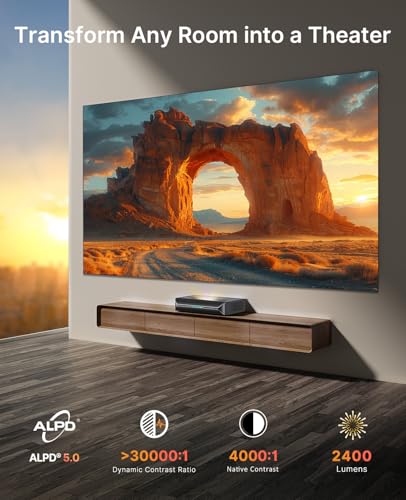
Bright and accurate ALPD 5.0 colors Excellent real-time contrast control Ultra-low latency gaming support Immersive Dolby Atmos audio
The dynamic iris needs careful adjustment
Setting up the NexiGo Aurora Pro MKII feels like bringing a mini theater into your home, especially once the 4K picture fills the wall. The ALPD 5.0 laser engine delivers a bright, colorful image with extremely accurate color and improved sharpness across the entire screen. Paired with the Scene Adapt Engine, the projector automatically adjusts the laser output to deepen blacks and brighten highlights, creating contrast that feels dynamic and engaging. This real-time adjustment also saves energy, which is a thoughtful touch for long-term use.
Its compact throw ratio makes big-screen viewing possible even in smaller rooms, and the visuals stay vivid whether you’re watching movies, exploring Dolby Vision content, or projecting HDR10+. Gamers will appreciate the ultra-low latency and smooth 4K performance at 120 Hz—it feels responsive and fluid. The built-in 60 W speakers with Dolby Atmos support add another layer of immersion, whether used alone or paired with an external system. One minor downside is that the dynamic iris feature can require a bit of careful configuring to achieve the best possible contrast. But once dialed in, the results feel exceptionally rewarding.

Pure triple-laser color system AI-enhanced brightness and contrast Crisp 4K with detailed upscaling Huge screen in small spaces
Higher price than the L9 series
The PX3-PRO makes an immediate impression with its TriChroma LPU Technology, painting scenes with vivid reds, deep greens, and bright blues that feel true to life. Its real-time AI algorithms quietly enhance every frame, balancing brightness and contrast while reducing noise so details stay clean and refined. Setting it near the wall is enough to achieve an 80 to 150-inch projection, making it a practical solution whether it’s replacing a TV or creating a dedicated theater corner.
The 4K DLP system, with its 2.07 million micromirrors, keeps images crisp, and the AI upscaler does an impressive job transforming older or lower-resolution content into sharper, more layered visuals. Color performance is one of its biggest strengths, achieving 110% BT.2020 and capturing subtle tones that make natural scenery and movie scenes feel more expressive. As for the cost, the projector sits noticeably higher than the older Hisense L9 series, yet the added color performance, upgraded laser engine, and smarter image processing create a package that feels purpose-built for premium home theaters.

Triple-laser 4K picture Center speaker mapping clarity Supports full 5.2.2 surround setup Smart home integration
A bit heavy
The LTV-3500 Pro creates an immediate sense of presence the moment its picture fills the wall. Its triple-laser engine produces sharp, vibrant 4K visuals, and Dolby Vision helps scenes feel more dynamic with better-balanced highlights and deeper contrast. The built-in center speaker mapping is a standout touch, making dialogue sound as if it comes directly from the screen rather than from a separate speaker. When paired with the optional ALR screen and ThunderBeat 4.2.2 system, the entire setup transforms into a full 5.2.2 audio experience that feels incredibly enveloping.
For homes with plenty of ambient light, the projector’s high brightness makes it possible to enjoy 100 to 150-inch visuals even during the day, which is perfect for replacing smaller TVs. PJLink IP control also opens the door for smooth smart-home integration, allowing the projector to work seamlessly with systems like Control4. As for the physical design, its weight is noticeable when positioning or adjusting it, yet once placed, it sits securely and blends into a home theater layout with confidence.

Bright image for daytime use Strong built-in 30W speakers Fast autofocus and keystone Wide device connectivity options
Fan noise can be noticeable under load
What makes the L80 enjoyable right from the start is how quickly it settles into a sharp, well-aligned image. The instant autofocus and auto-keystone correction take care of the usual setup hassles, and with digital zoom, it’s simple to adjust the picture without sacrificing clarity. Once everything is in place, the 1500 ANSI lumens bring a bright, punchy picture that holds up surprisingly well during the day, especially for casual viewing.
Its native 1080P resolution keeps details crisp, and the built-in 2 x 15W speakers add a pleasant surprise. They deliver enough power to fill a room, making movie nights lively and turning the projector into a capable standalone speaker for gatherings. Connectivity is generous, too, with multiple HDMI ports, USB options, USB-C, Bluetooth 5.0, and dual-band WiFi, so switching between devices feels effortless.
One thing to keep in mind is the fan, which can become noticeable when the projector is working harder. Still, the overall performance, versatility, and audio strength make the trade-off easy to live with, especially for those wanting an all-in-one entertainment device.
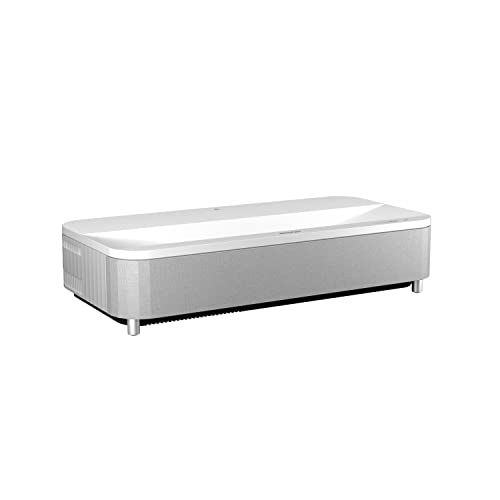
4,000-lumen brightness Large image from inches away Yamaha-powered built-in speakers Android TV with voice search
Contrast is a bit weaker than triple-laser projectors
Setting up the LS800 feels refreshingly straightforward thanks to its adaptable feet and multi-point picture adjustments. Once placed just inches from the wall, it stretches into an impressively large image that works beautifully for gaming or movies. The 4,000-lumen brightness is a major strength, especially when paired with full 10-bit HDR color processing. HDR titles look vivid and lively, and the projector handles colorful scenes with a confidence that instantly elevates the viewing experience.
Audio also gets its moment here. The Yamaha-designed 2.1-channel system delivers a surprisingly immersive soundstage, complete with presets and Bluetooth connectivity when you want to use it as a standalone speaker. It has Android TV built in and three HDMI ports, one of which is set up for gaming. This makes it easy to plug in consoles, sticks, or cable boxes and get to the entertainment right away.
One minor drawback is that its contrast isn’t quite as deep as what you’d get from some triple-laser projectors. All in all, the LS800’s brightness, sound quality, and ease of use make it a compelling choice for a clean, modern home theater.

Sharp ALPD-based visual clarity Ultra-short throw for small rooms Google TV with Netflix built-in Strong contrast with HDR10
Not very ideal for bright rooms
The Formovie 4K UST Projector is built for viewers who want big-screen immersion without needing a huge space. Its ultra-short throw ratio means you only need 49 cm to achieve a massive 150-inch image, which feels almost magical in smaller living areas. The ALPD technology helps maintain a smooth, speckle-free picture with pleasing brightness and high color accuracy, giving movie scenes and shows a naturally vibrant look.
Even with some ambient light, the 2100 ISO lumens provide pleasing pictures, and darker spaces highlight the 3000:1 contrast ratio and HDR10 capability. Deep blacks and dazzling highlights coexist easily in the frame, resulting in a more theatrical impression. Having Google TV with Netflix built-in makes life easier—one remote, fewer devices, and easy access to all your favourite entertainment.
As strong as the picture is, this model performs best when you can dim the room. Bright environments can wash out some of the detail, so it shines most in controlled lighting. Despite this, when given the right setting, the Formovie delivers an impressive, theater-like experience without demanding much space or setup.
How Can You Choose The best ust 4k projector Among Numerous Products From Different Brands?
It can take you much time to research the outcome of best ust 4k projector. It doesn't mean you can’t get the best one for yourself. We are the experts specializing in studying market and products. We will help you with your best ust 4k projector issues, no matter what time it is!
Please have a closer look at the things below to evaluate and then choose the right best ust 4k projector for your need:
Light Source
For longer periods of time, LEDs and lasers retain a greater percentage of their original brightness. While all light sources eventually lose their brightness, lamps lose the most in 500 hours. Then, they slowly decline over time. The brightness of LEDs and lasers will decrease more slowly over the course of their lifetimes.
Contrast Ratio
Contrast ratings can only be used to measure in dark rooms. They don't give any information about ambient lighting. Unusually dark blacks in the projector will result in lower contrast. A brighter projector will perform well in home theaters, but not in living rooms or offices.
Resolution
The calculation for projectors that have 4K ultra high definition (3,840 x 2,160 pixels) is slightly different.
Portability
Brightness
The ambient lighting level, size and material of your projector screen will all affect the brightness. You should buy a professional seller if you are installing a projector in a permanent location, such as at your home, to ensure that you get the best image brightness and the correct screen material.
Connection Methods
Component video, composite video and S-Video all make up the most common connections on large projectors. We're also seeing more projectors that offer direct USB connection to computers via a USB cable. A growing variety of projectors now have USB Type-C ports. The majority of USB-C ports can be used to transfer data or video using the DisplayPort protocol. Most USB-C ports support USB Power Delivery (USB PD), which means that a plugged in projector can supply 100 watts of power to charge a device or to charge it using a USB-C cable (assuming the device is capable of charging over USB-C).
Projection Tech
DLP projectors with single-chip DLP chips could be subject to the so-called "rainbow effect." Sometimes, tiny, bright flashes with rainbow-like colors may appear, especially in dark scenes. Some DLP projectors have a minimal effect, while others can produce a distracting result, especially when there are bright areas against shady backgrounds. The rainbow effect is not a problem with LCD projectors, which are safer if someone in your household has sensitive eyes. There are many DLP projectors that produce excellent images.
FAQs
What is a UST 4K projector?
A UST (Ultra Short Throw) 4K projector is a device that can display a large, high-resolution image from just a few inches away from the wall or screen, perfect for compact spaces.
Can I use a UST 4K projector in a bright room?
Yes, but you’ll want a model with high brightness (lumens) to ensure clear and vivid images even with ambient light.
How close can I place a UST projector to the wall?
Most UST projectors can be placed just a few inches to about a foot away from the wall, depending on the model, while still projecting a large image.
About Michael Brown